Key takeaways
- New wood needs time to dry before staining.
- Water that soaks in instead of beading means it is time to refresh.
- Clean and brighten the wood before any stain or sealer.
- Dry weather and moderate temperatures make the best working conditions.
New decks
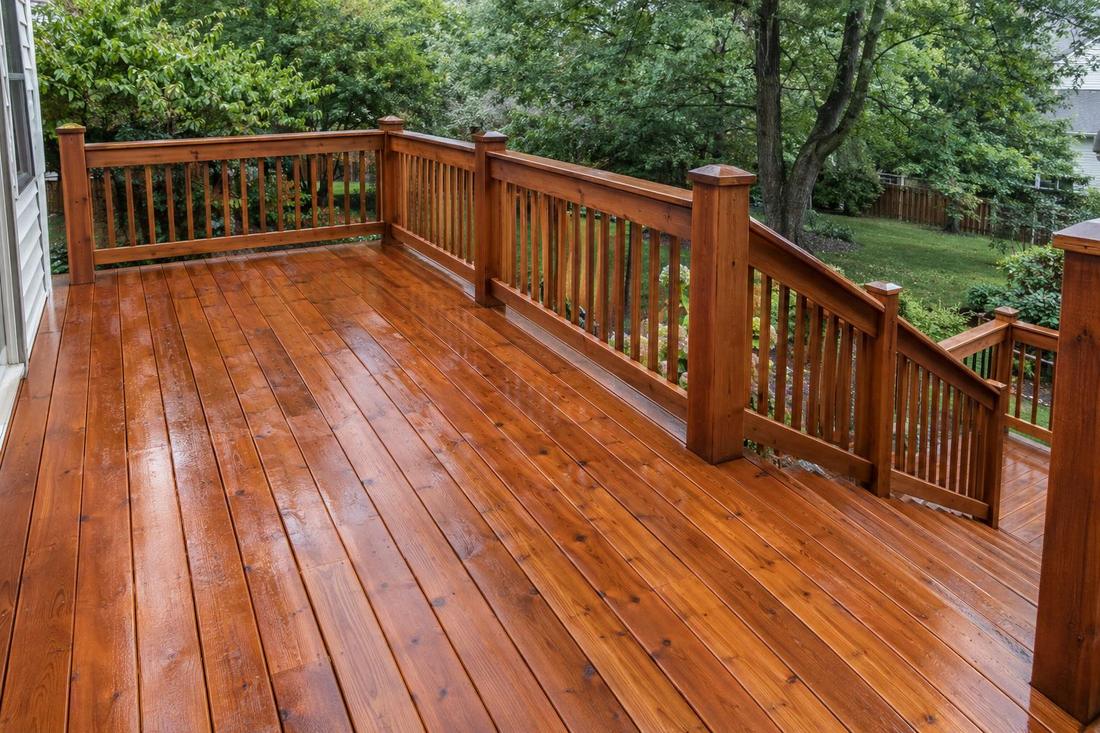
Pressure-treated lumber is often wet when it is installed. Staining too soon can trap moisture. Many builders suggest waiting until the boards are dry, then cleaning and staining. A simple water test helps: if water soaks in, the wood is ready.
Ask your builder what suits your lumber.
Older decks
A gray, rough, mildew-spotted deck is thirsty for protection. Sprinkle water on it. If it soaks in right away, the old finish is gone. If it beads, the finish is still working.
Plan a refresh before the wood fully weathers.
Prep comes first
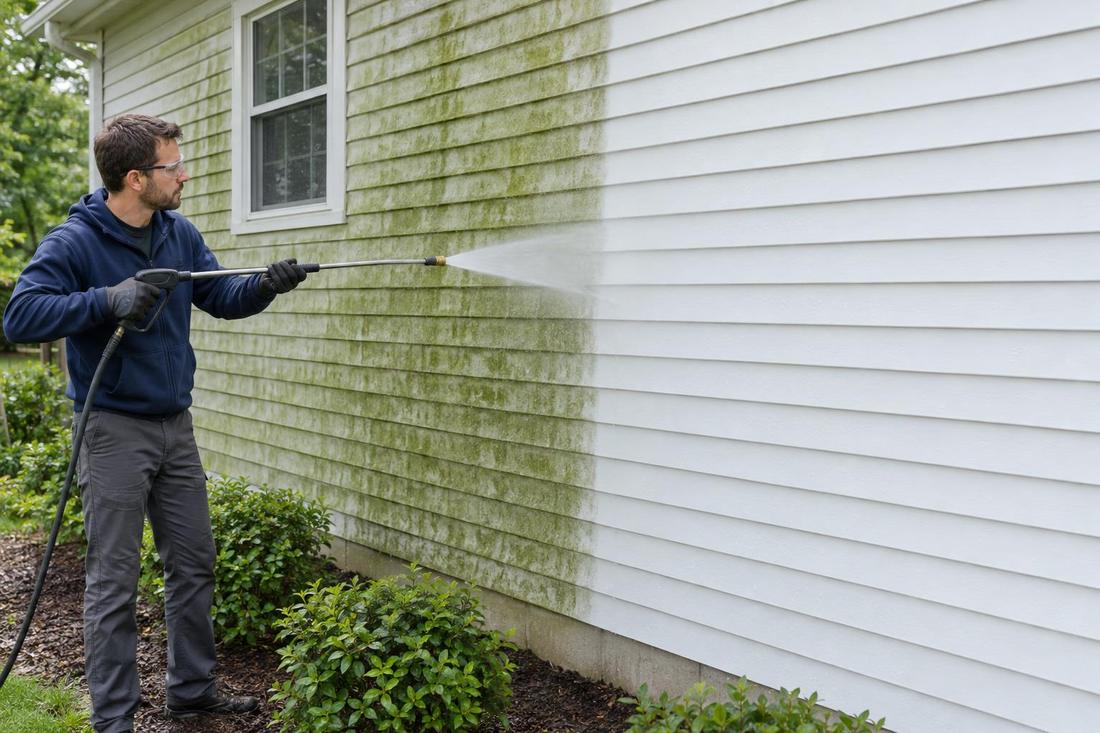
Stain only sticks and lasts on clean, dry wood. Clean off mildew and dirt, brighten the wood and let it dry. Replace rotted boards and set popped nails before finishing.
Prep is the biggest part of a lasting stain job.
Pick the right day
Aim for dry, mild weather with no rain in the forecast for a day or two. Avoid hot direct sun on the boards, which makes stain dry too fast. Follow the product directions for temperature and cure time.
Keep furniture off until the finish has cured.
Official sources and further reading
These are independent organizations. Links open in a new tab.
Quick answers
Should I stain or seal?
Stain adds color and protection. A clear sealer protects with little color change. Both need prep.
How long does a deck stain last?
It depends on sun, rain and the product. Many decks need a refresh every couple of seasons.