Key takeaways
- Curling, cracked or missing shingles are the clearest signs.
- Granules in gutters and dark streaks point to wear and growth.
- Water stains on ceilings mean a leak that needs tracing.
- An early inspection often means a repair instead of a replacement.
Look from the ground
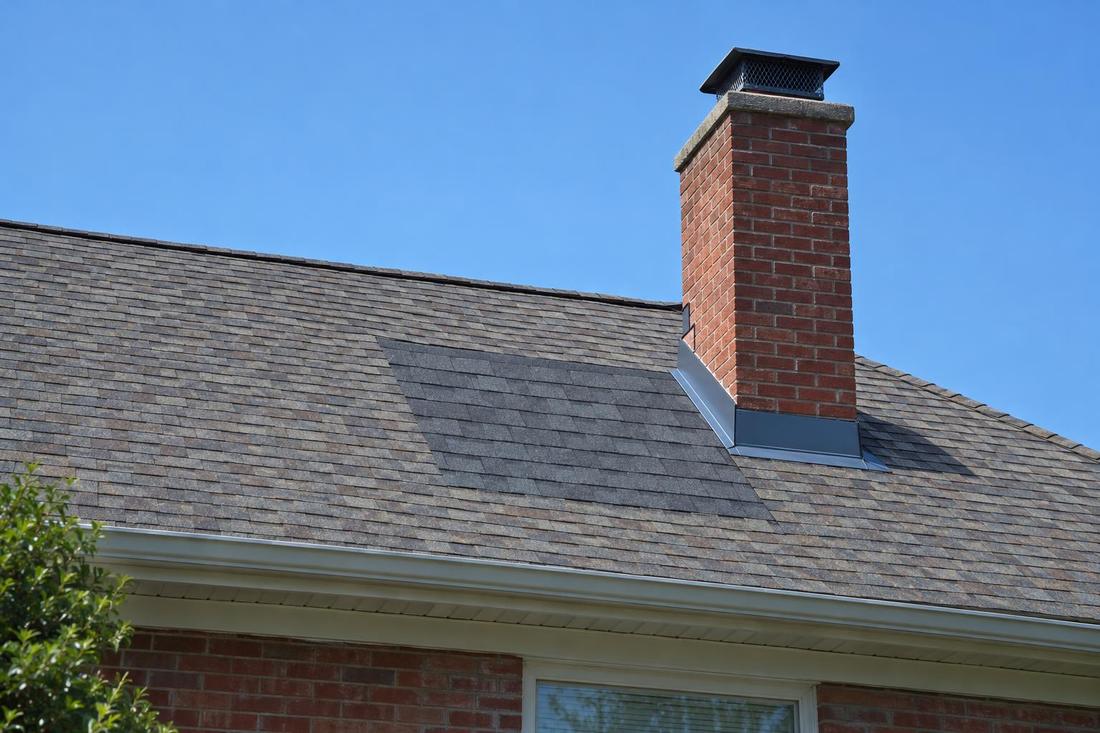
You do not need to climb a ladder. From the yard, look for missing, curled or cracked shingles, sagging lines, moss and dark streaks. Check around chimneys, vents and valleys for damaged metal. Binoculars help.
Never walk on a roof you are unsure about.
Check the gutters and attic
Heavy granule buildup in gutters means shingles are wearing. In the attic, look for daylight, dark stains on the decking and damp insulation. A musty smell can mean slow leaks.
Attic checks are best after heavy rain.
Check the ceilings
Yellow or brown stains on ceilings and walls often come from roof leaks, but the leak may enter far from where the stain shows. A professional traces water back to its source.
Do not ignore small stains, since they grow.
When to call
Call after a storm, when you see shingles missing, when stains appear or when the roof is at an age where wear is common. An inspection gives you facts so you can decide between repair, cleaning and replacement.
Early action usually means less damage and less stress.
Official sources and further reading
- National Roofing Contractors Association
- Better Business Bureau
- U.S. Department of Energy: Energy Saver
These are independent organizations. Links open in a new tab.
Quick answers
How long do shingle roofs last?
It depends on the material, the ventilation and the weather. Inspection is the best way to know.
Should I clean or replace a streaked roof?
Streaks are growth, not necessarily failure. A sound roof can often be cleaned.