Key takeaways
- Look at frame material, glass and installation together.
- Replacement windows fit existing frames. New-construction windows need open walls.
- Good flashing and sealing make a bigger difference than brand names.
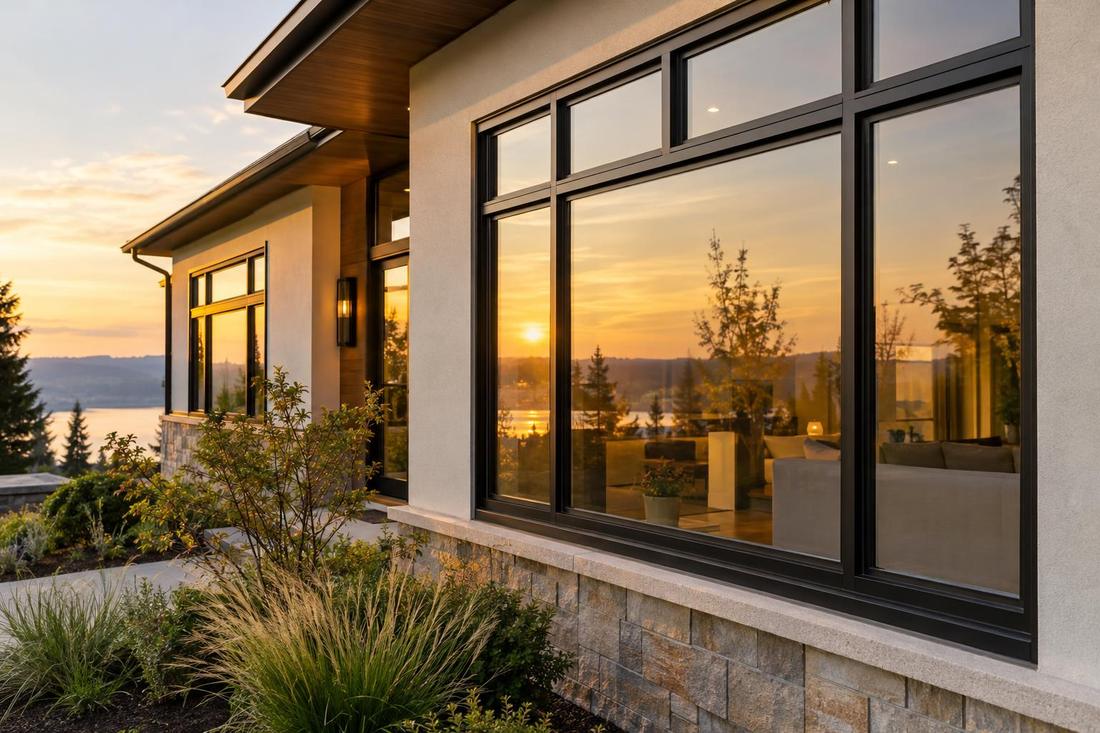
- Match the style to the house for the best curb appeal.
Frame materials
Vinyl needs little upkeep and has many styles. Fiberglass is strong and holds paint. Wood is classic and needs maintenance. Aluminum-clad wood combines wood interiors with low-maintenance exteriors.
Choose what suits your home, your budget and your maintenance habits.
Glass options
Double-pane glass with low-E coatings reduces heat transfer and fading. Gas fills and warm-edge spacers add performance. Look for performance labels from recognized programs.
Sound and security needs may point to special glass.
Replacement or new construction
A replacement window slips into the existing frame and trim. A new-construction window has a nailing fin and goes into an open wall. The right type depends on whether the frame and surrounding wall are sound.
Your installer should inspect before recommending.
Installation quality
Even a good window leaks if it is installed poorly. Flashing, shimming, insulating and sealing are what keep air and water out. Ask how your installer handles each step.
Proper installation is part of the value you are buying.
Official sources and further reading
- ENERGY STAR: Windows, Doors and Skylights
- U.S. Department of Energy: Energy Saver
- U.S. EPA: Renovate Right (lead-safe work)
These are independent organizations. Links open in a new tab.
Quick answers
Do new windows really save energy?
Better glass and a tight install can reduce drafts and improve comfort. Results vary by home.
How long does window replacement take?
Many homes take a day or two for typical projects.