Key takeaways
- Pressure washing uses force. Soft washing uses low pressure and a cleaner.
- Roofs, siding and painted wood usually need soft washing.
- Concrete, brick and sturdy hardscape often suit pressure washing.
- The best companies use both and choose by surface.
How pressure washing works
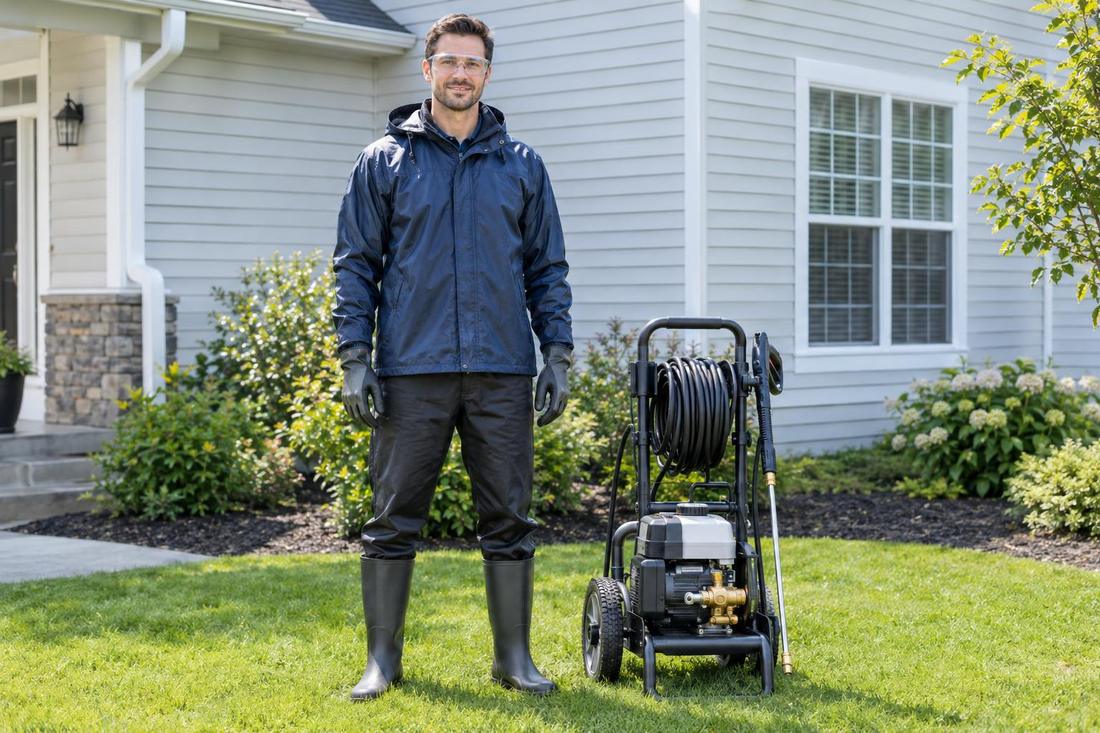
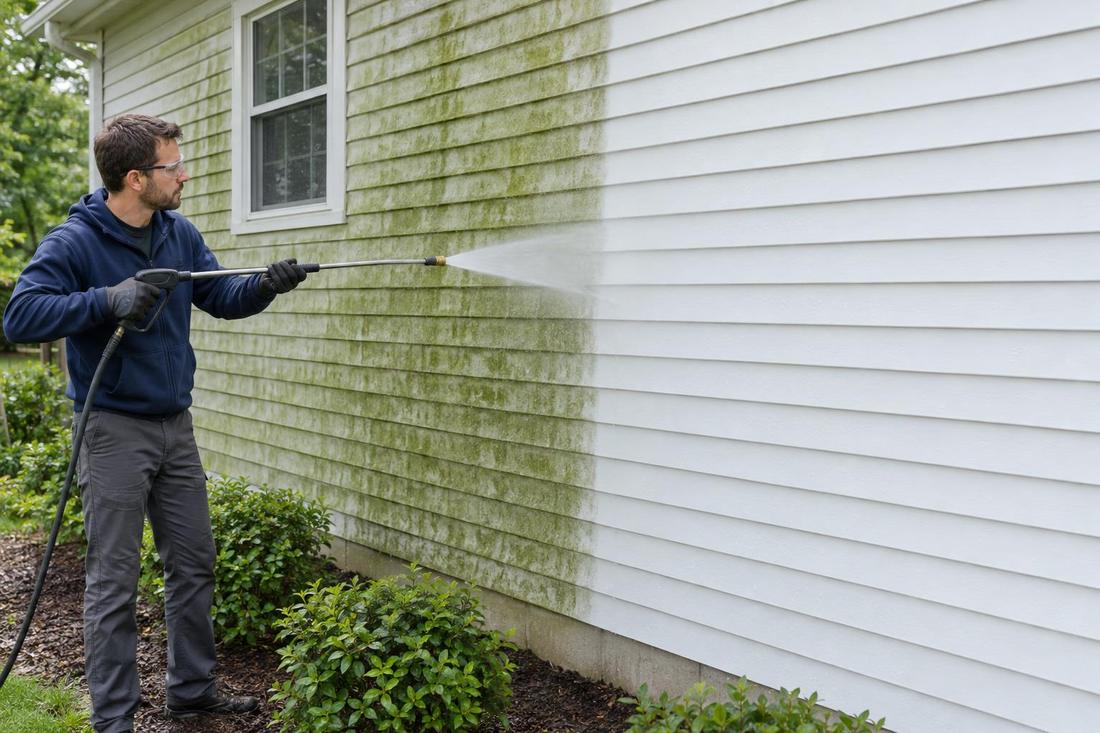
A pressure washer sends water at high pressure through a narrow nozzle. That force lifts dirt, oil and stains from hard, sturdy surfaces. On concrete, stone and bare brick it works well when the nozzle and distance are right.
On soft or delicate surfaces it can cause gouges, stripping and water intrusion.
How soft washing works
Soft washing applies a cleaner at low pressure, lets it work on the growth and rinses it away gently. The cleaner kills algae, moss and mildew at the source instead of just blasting the surface.
This is why it is the right method for roofs, vinyl and fiber cement siding, stucco and painted wood.
Which surfaces get which method
Concrete driveways and walks, brick pavers, stone and sturdy fences usually take pressure washing. Roofs, siding, screens, outdoor furniture and anything delicate usually need soft washing. Many jobs use both.
A company should explain why it picked a method for each surface.
Questions to ask
Ask whether the company uses low-pressure methods on roofs and siding. Ask how they protect plants and what they do with runoff. Ask what happens if they notice damage while cleaning.
Clear answers are a good sign.
Official sources and further reading
These are independent organizations. Links open in a new tab.
Quick answers
Can pressure washing ruin a roof?
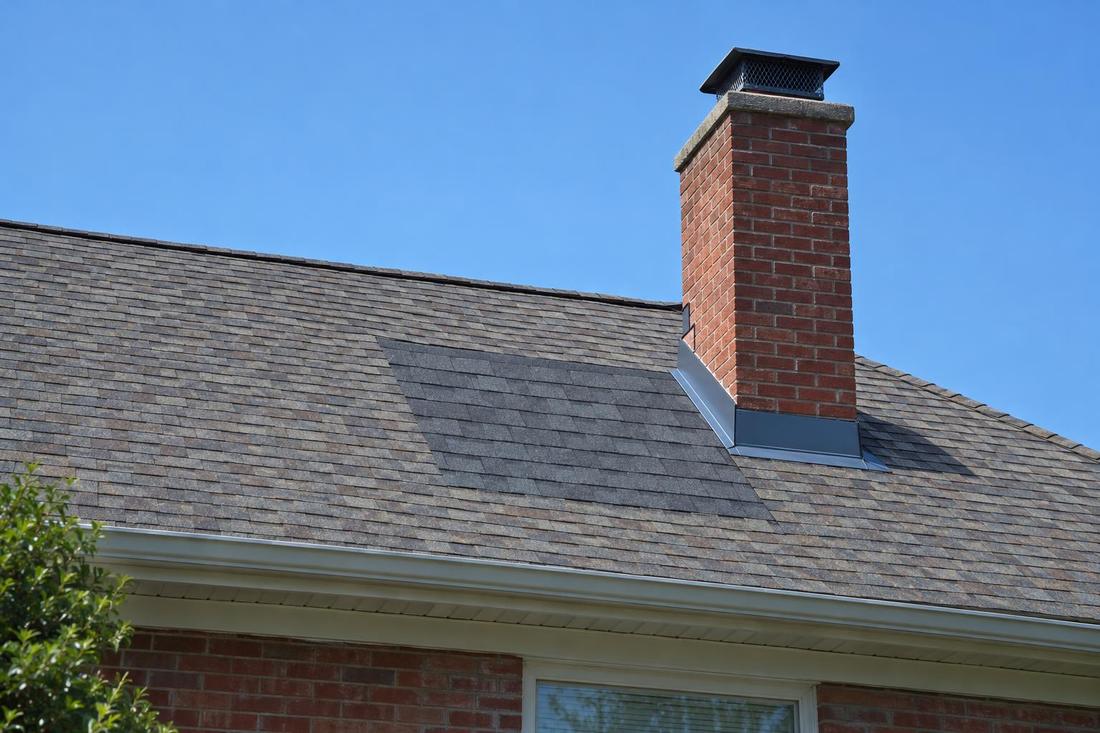
Yes. High pressure strips shingle granules and shortens roof life. Soft washing is the safe method.
Will soft washing kill my plants?
Plants are rinsed and protected before and after, and cleaners are used carefully.